APLB
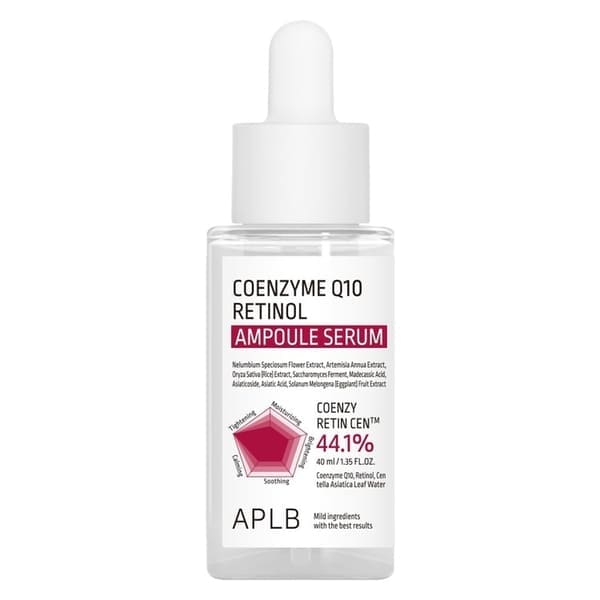
Coenzyme Q10 Retinol Ampoule Serum 40 ml. Mild. Retinoid: ingredient no. 26, not counting water.
Non-comedogenic41 ingredients
- Fragrance-free
- No drying alcohol
- Silicone-free
An independent ingredient and price comparison. We don't sell products. Buy buttons are affiliate links.Independent comparison. Buy buttons are affiliate links.
This page lists skincare from Korean brands that Skinindex has classified as low concern from the INCI list. Korean here means the brand's home country, not where the product is made. The rating is not a guarantee about pores.
These answers are calculated from the prices and ingredient lists of the products on this page. They are not editorial picks.
Benton Fermentation Mask, €1.69 (Stylevana).
5 ingredients: COSRX Master Patch Basic, Round Lab Birch Juice Moisturizing Mask 10-Pack, and Pyunkang Yul Mist Toner 100 ml.
721 of 721 products, or 100%. Only products whose ingredient list we have read are counted.
The number is how many of the brand's products are on this page.
Korean skincare is known for multi-step routines, light textures and ingredient innovation. It is often sought out because the products are easy to buy online and the textures are often watery, gel-like or milky.
Many people also want to know whether a multi-step routine suits congestion-prone skin. It is a fair question: when you use five or ten products, the number of ingredients grows.
Korean is based on the brand's origin: the brand comes from South Korea. It doesn't say where a product is made, because many brands also manufacture elsewhere.
The list is useful if you are interested in Korean skincare but your skin is prone to congestion. It lets you start with products that have no known comedogenic ingredients or common irritants.
If your skin isn't prone to congestion, this filter isn't essential. Then you can choose by feel and by ingredients.
Fragrance, essential oils and plant extracts can irritate sensitive skin in any skincare. Check them in the INCI list if your skin is sensitive. Try new products one at a time, so you know what causes a possible reaction.
APLB
APLB
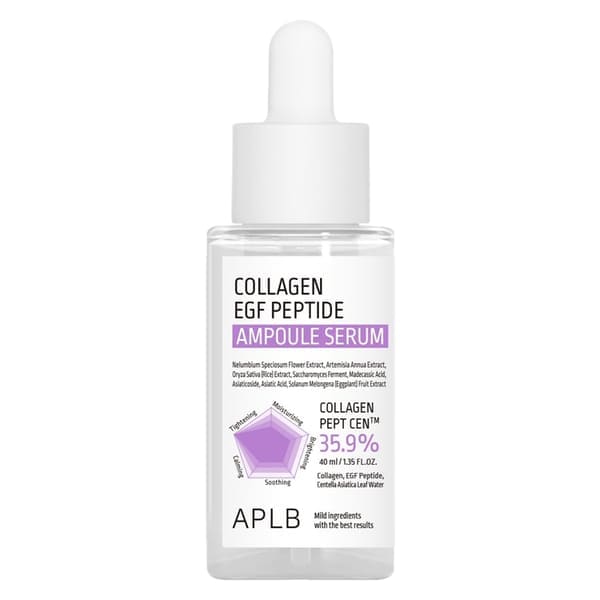
Aplb Collagen Egf Peptide
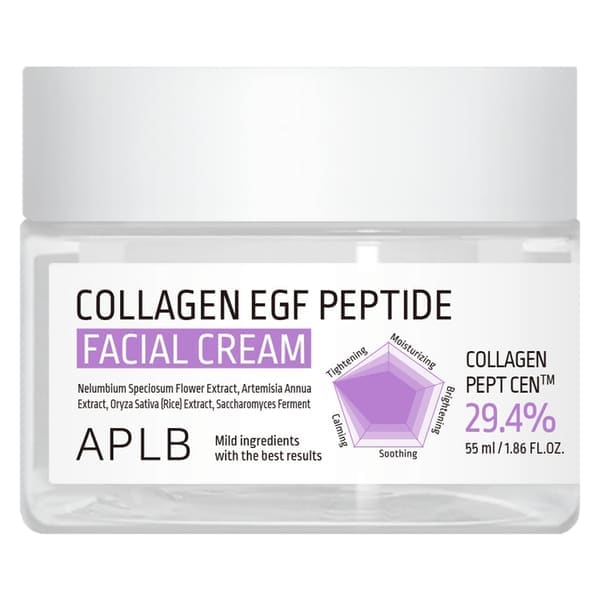
Aplb Collagen Egf Peptide
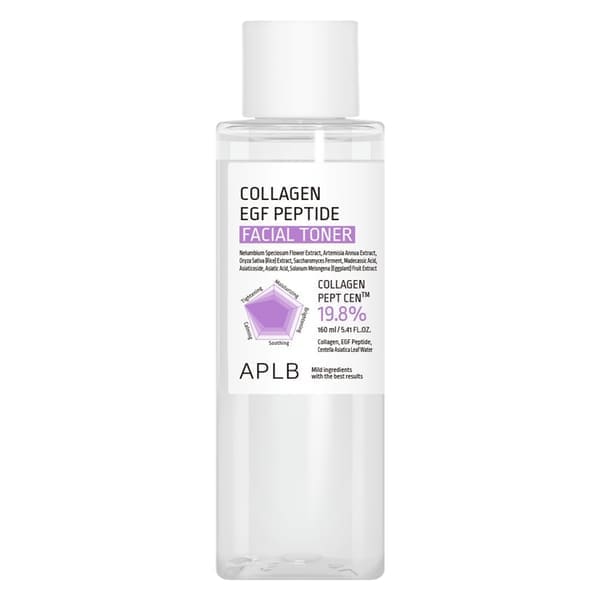
Aplb Collagen Egf Peptide
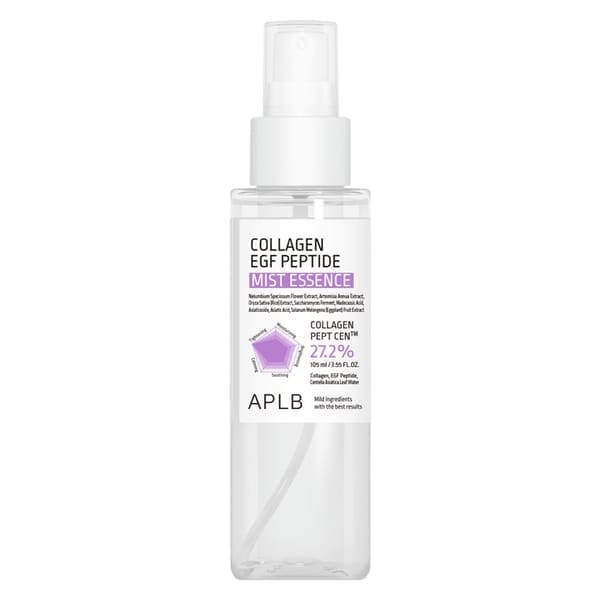
Aplb Collagen Egf Peptide
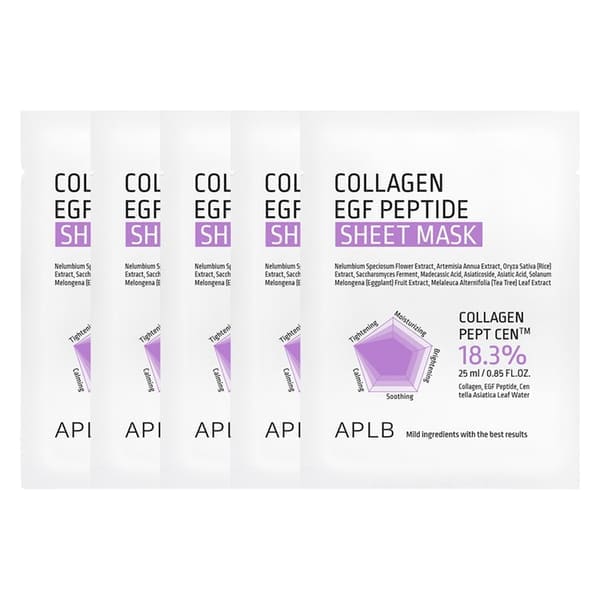
Aplb Collagen Egf Peptide
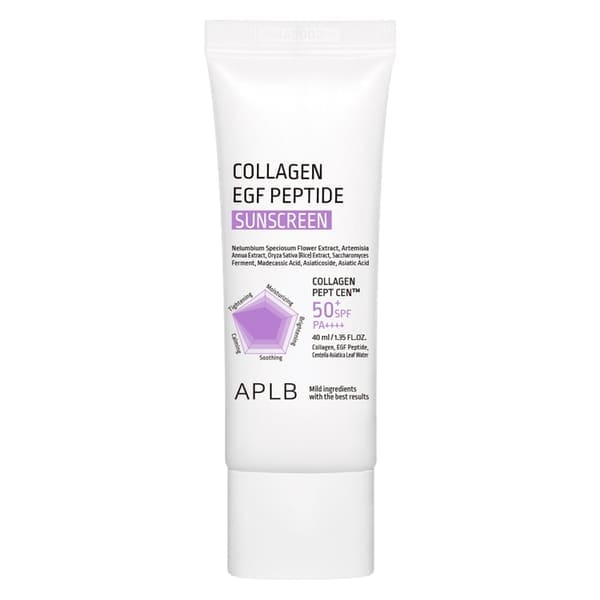
Aplb Collagen Egf Peptide
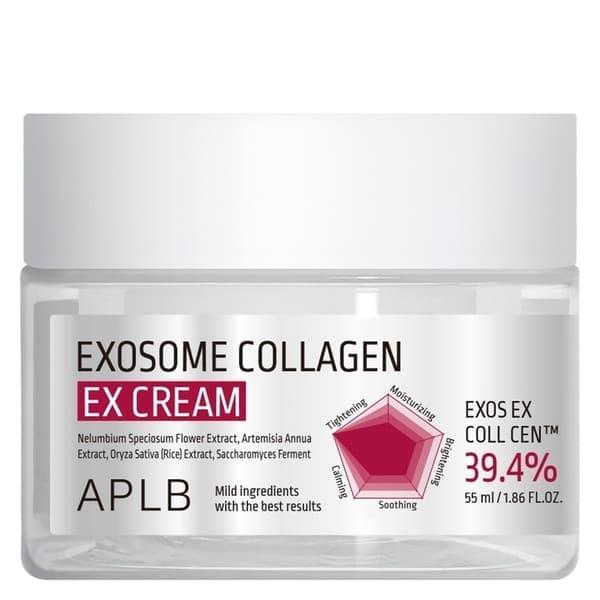
Aplb Exosome
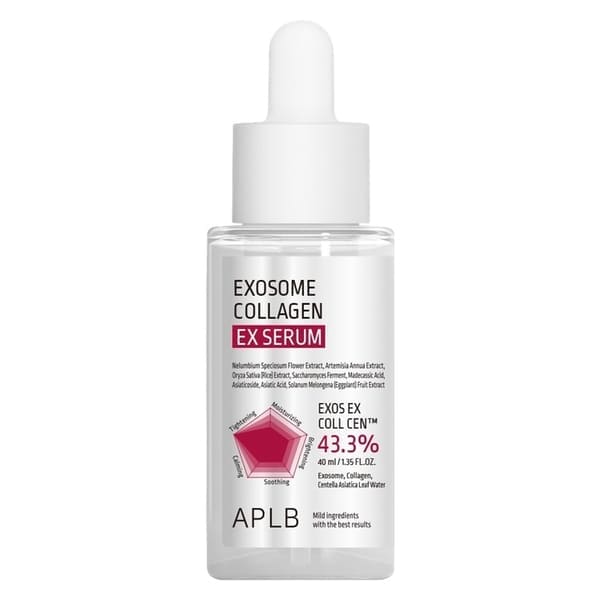
Aplb Exosome
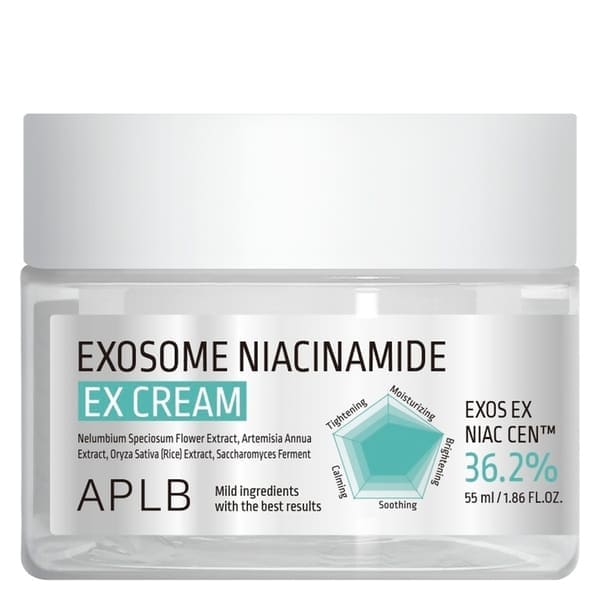
Aplb Exosome
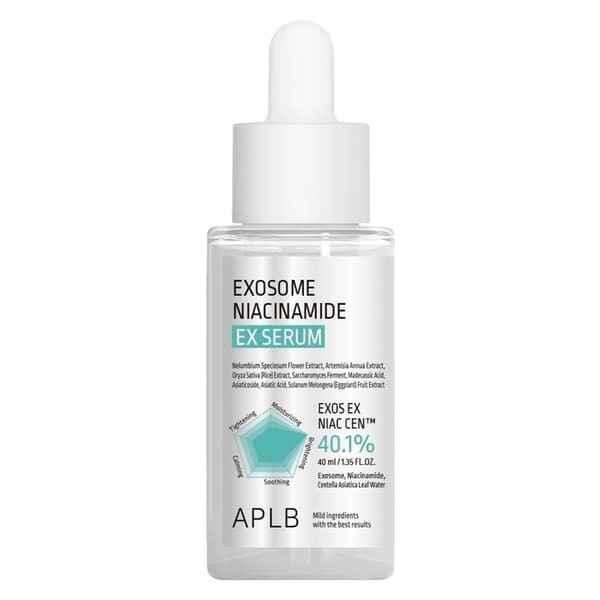
Aplb Exosome
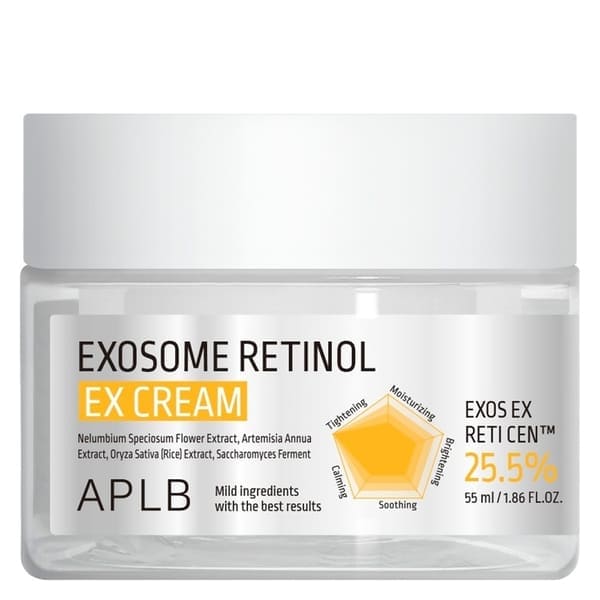
Aplb Exosome
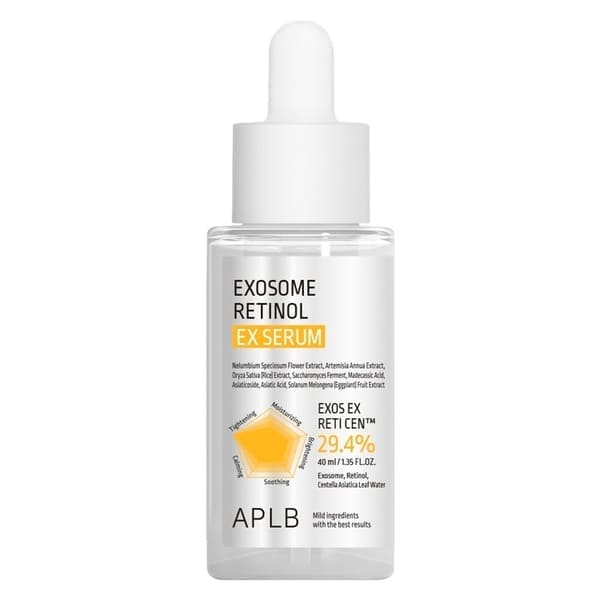
Aplb Exosome
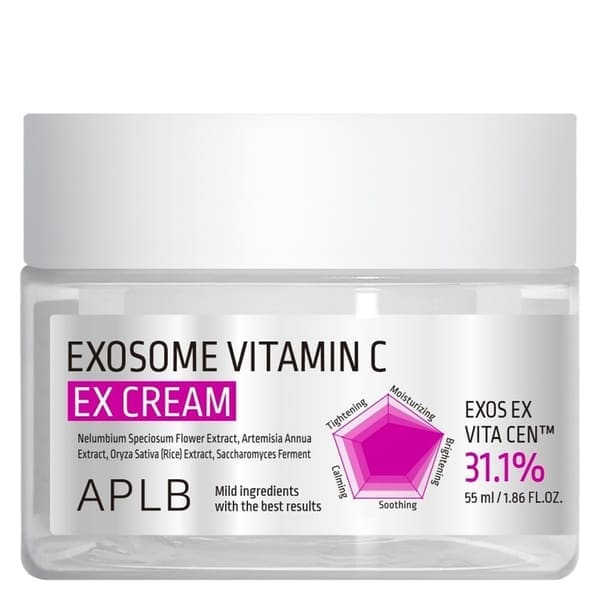
Aplb Exosome
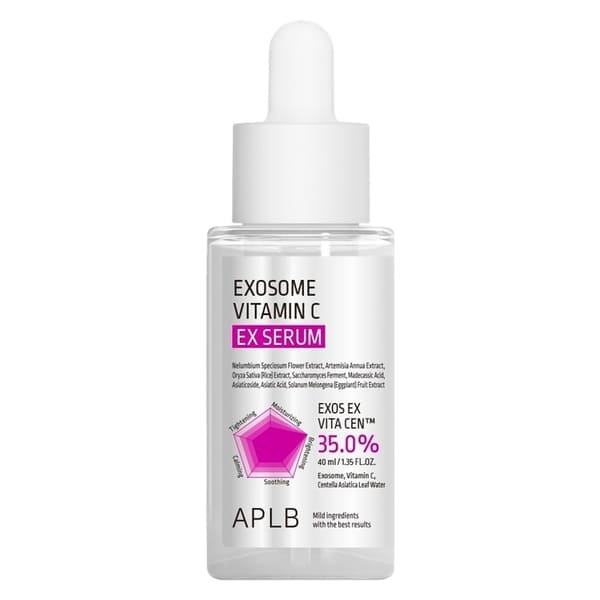
Aplb Exosome
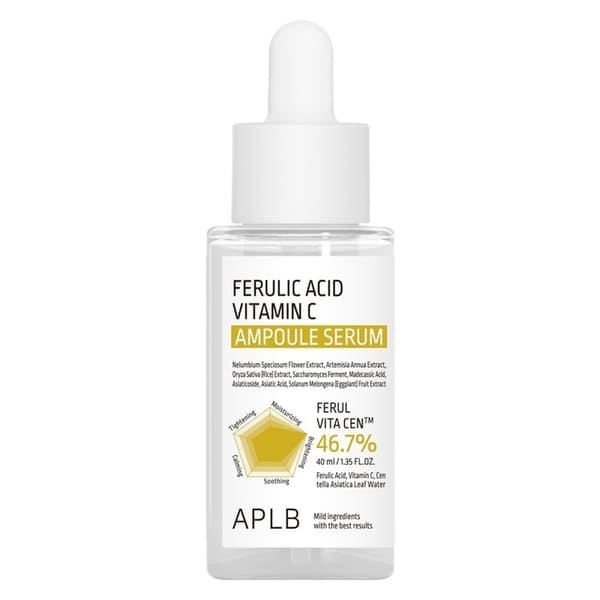
APLB
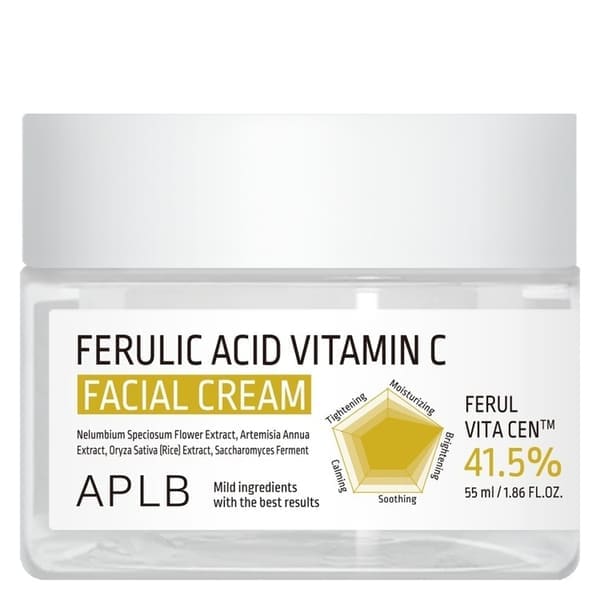
APLB
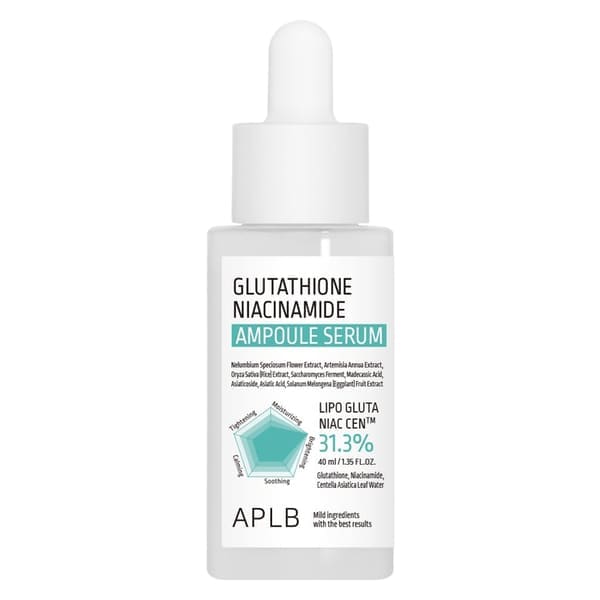
Aplb Glutathione Niacinamide
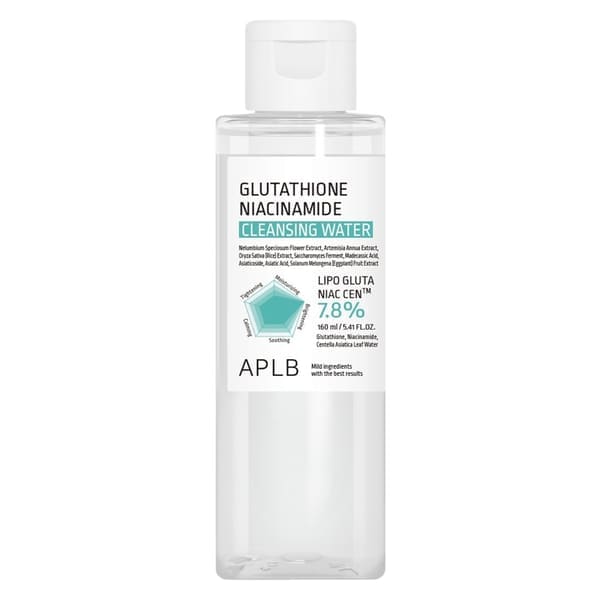
Aplb Glutathione Niacinamide
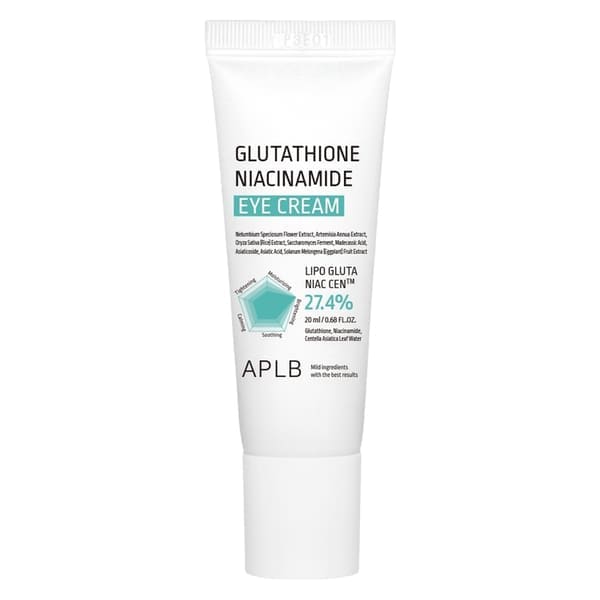
Aplb Glutathione Niacinamide
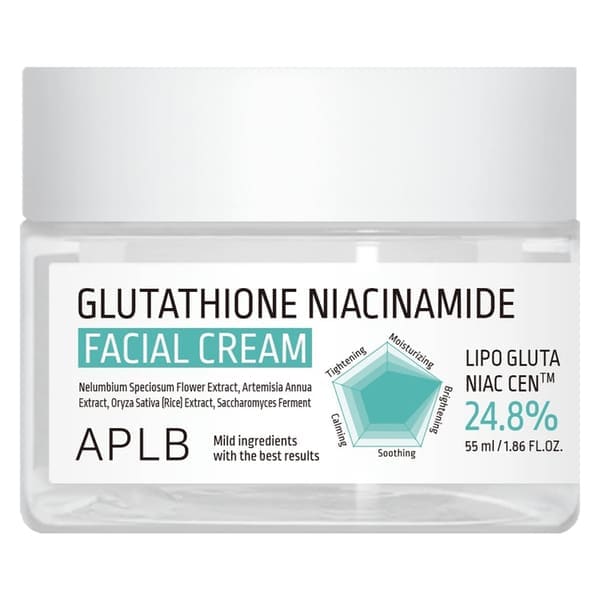
Aplb Glutathione Niacinamide
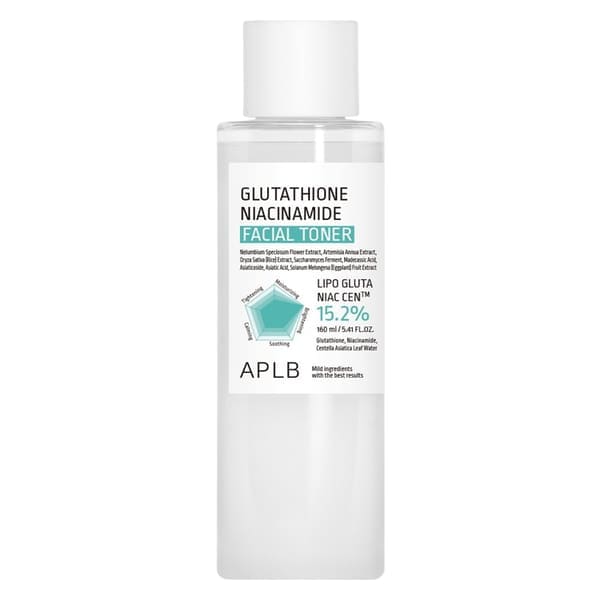
Aplb Glutathione Niacinamide
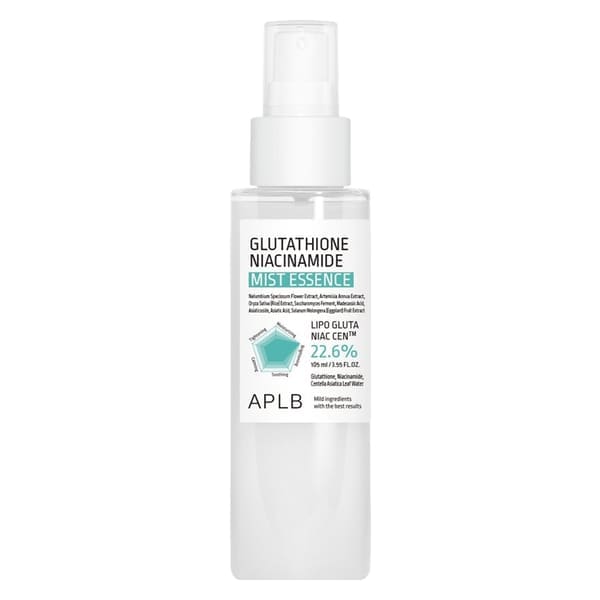
Aplb Glutathione Niacinamide
In Korean skincare, products are often described as essences, ampoules or toners, and the name doesn't always show the texture. Read the INCI list, not the product name.
Look especially for plant extracts, oils or esters, which can be on the watchlist, and for fragrance or essential oils. If water and humectants are at the start of the list, the product is usually light.
In a multi-step routine, check each product separately: a single watchlist ingredient may not be enough to cause trouble, but several products together might. If your skin starts to congest, take out the product you added last first, and see over a couple of weeks whether things settle.
The list includes products from Korean brands whose Skinindex rating is low concern. The brand's origin is South Korea, and the information is brand-level. Low concern means the INCI list has no ingredient classified as comedogenic on the watchlist and none of the most common irritants, such as fragrance, drying alcohol or essential oils.
The classification is based on the ingredient list, not a clinical test. Comedogenicity ratings come from tests of single raw materials, and in a finished product the formula and the concentrations matter. Skin is individual, and the watchlist is not exhaustive.
Examples of INCI names that rule a product out
Not categorically. Korean products come in every kind of texture, from light to richer. The ingredient list decides, not the country of origin.
The brand's origin is South Korea. It doesn't say where a product is made, since a brand can manufacture elsewhere too.
Coconut oil is a known comedogenic ingredient and on the Skinindex watchlist. That doesn't mean every product containing it will clog pores. The concentration and the formula matter, and skin is individual.
Not necessarily. The more products, the more ingredients and possible reactions. Start with a few products and add more slowly.