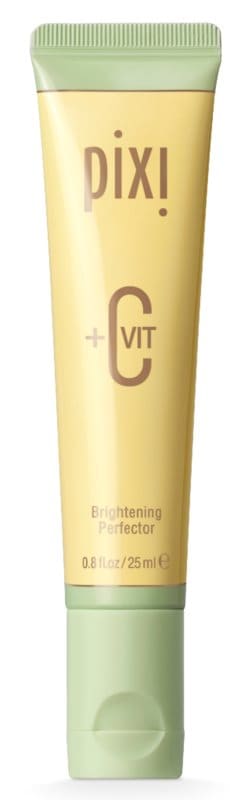
PIXI
Brightening Perfector 25 ml
Several things to note35 ingredients
- No drying alcohol
- Silicone-free
Flagged: fragrance, essential oil, and watchlist ingredient
An independent ingredient and price comparison. We don't sell products. Buy buttons are affiliate links.Independent comparison. Buy buttons are affiliate links.
This list has primers whose base Skinindex classes as water-based: water (Aqua) leads the INCI list and no silicones are near the top. The base matters because a primer and a foundation are best matched to each other.
These answers are calculated from the prices and ingredient lists of the products on this page. They are not editorial picks.
essence Glimmer In A Bubble Glass Skin Primer 35 ml, €4.79 (Lyko).
10 ingredients: Beauty Act 24H Weigthless H20 Matte Primer 30 ml and Barry M Flawless Original Primer 34 ml.
37 of 85 products, or 43%. Only products whose ingredient list we have read are counted.
The number is how many of the brand's products are on this page.
A primer is a prep step applied under foundation. It smooths the surface, keeps foundation in place and can hydrate or mattify. The base can be water-based, silicone-based or oil-based, and the base affects how the primer feels and behaves.
In a water-based primer, water is the main ingredient. The feel is usually light and fresh, not slippery or thick like a silicone-based one.
A water-based primer and a silicone-based foundation do not always go together: water and silicone repel each other, and the foundation can pill or turn streaky. The same applies the other way round, a silicone-based primer under a water-based foundation.
The rule is simple: match the bases. A water-based primer usually works with a water-based foundation, a silicone-based one with a silicone-based foundation. It does not always hold, so try a small amount first.
A water-based primer suits you if you want a light feel, use a water-based foundation or your skin does not like heavy silicone primers. If you want a smooth, silicone-like surface and softer-looking pores, a silicone-based one may work better.
Water-based is not always better. It is just one choice, and the right one depends on the foundation you use.
A practical tip: apply primer in a thin layer and let it dry for a moment before foundation. Extra moisture on the surface is the most common reason foundation does not grip.
PIXI
Flagged: fragrance, essential oil, and watchlist ingredient
PIXI
PIXI
Rimmel
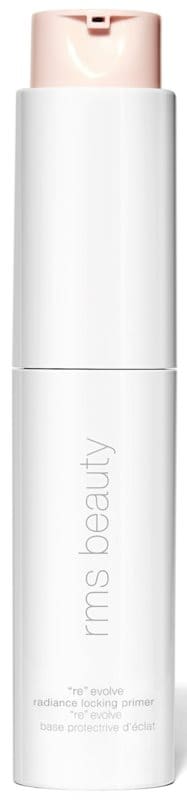
Rms Beauty
Flagged: fragrance and essential oil
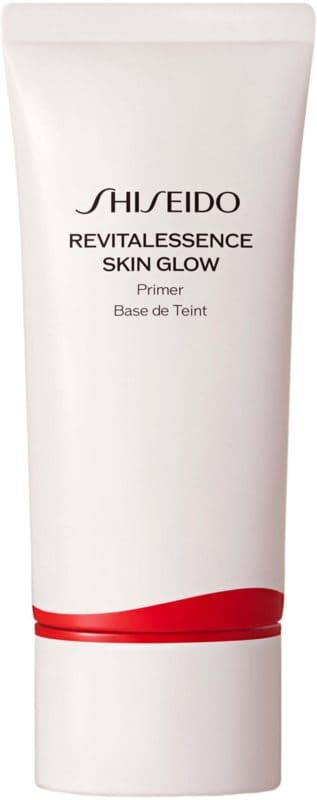
Shiseido
Flagged: fragrance, drying alcohol, and essential oil
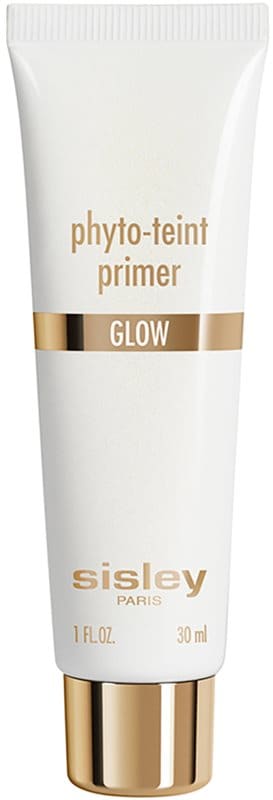
Sisley
Flagged: fragrance and watchlist ingredient
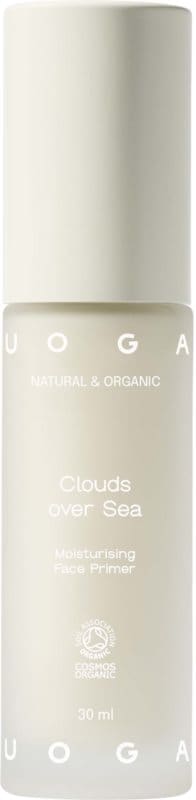
Uoga Uoga
Flagged: fragrance and essential oil
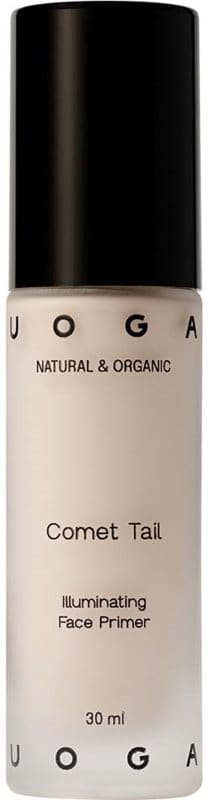
Uoga Uoga
Flagged: fragrance and essential oil
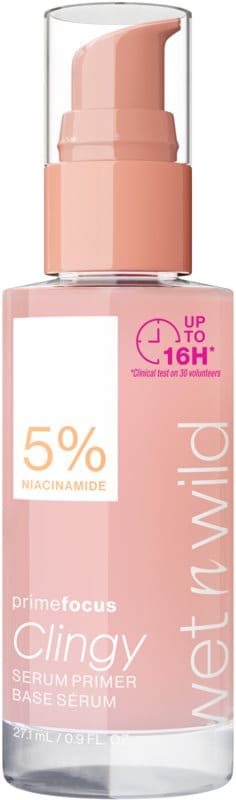
Wet N Wild
Flagged: drying alcohol, essential oil, and watchlist ingredient
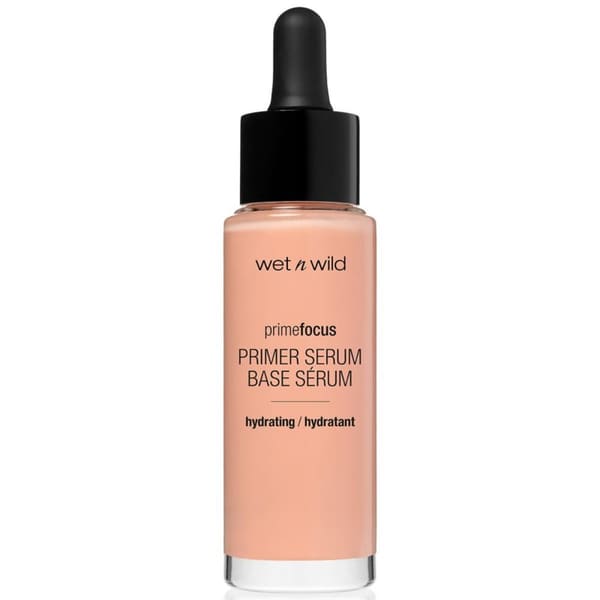
Wet N Wild
Flagged: drying alcohol and watchlist ingredient
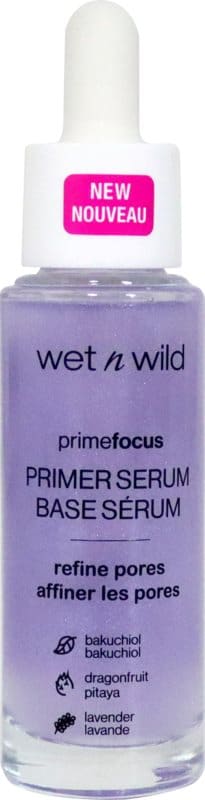
Wet N Wild
Flagged: fragrance, drying alcohol, essential oil, and watchlist ingredient
Look at the first few ingredients. If Aqua comes first, followed straight away by glycerin or another humectant, the base is water-based. If the list starts with Dimethicone, Cyclopentasiloxane or another silicone, the base is silicone-based.
Also look at your foundation’s list and compare the bases.
Skinindex reads the start of the INCI list. A primer is classed as water-based if water (Aqua) leads the list and there are no silicones near the top. The classification is based on the ingredient list and does not tell you how the primer works with your particular foundation.
Silicones can appear lower down the list in small amounts, and they can still affect the feel. That is why it is worth testing in practice whether the bases work together.
It can, if the foundation is silicone-based. Water and silicone do not mix, so the surface can turn streaky. Match the bases, or let the primer dry thoroughly.
Look at the start of the INCI list. If it has Dimethicone, Cyclopentasiloxane or something similar, the base is silicone. If Aqua comes first, the base is water-based.
Usually it is, because water is the main ingredient. The feel is fresher than with a silicone-based one. The surface is not quite as smooth, though.
Not necessarily. A primer is an extra step used for staying power or a more even surface. If your foundation lasts well without one, you can skip it.